

Essential Best Practices for Aerospace Chemical Tank Management
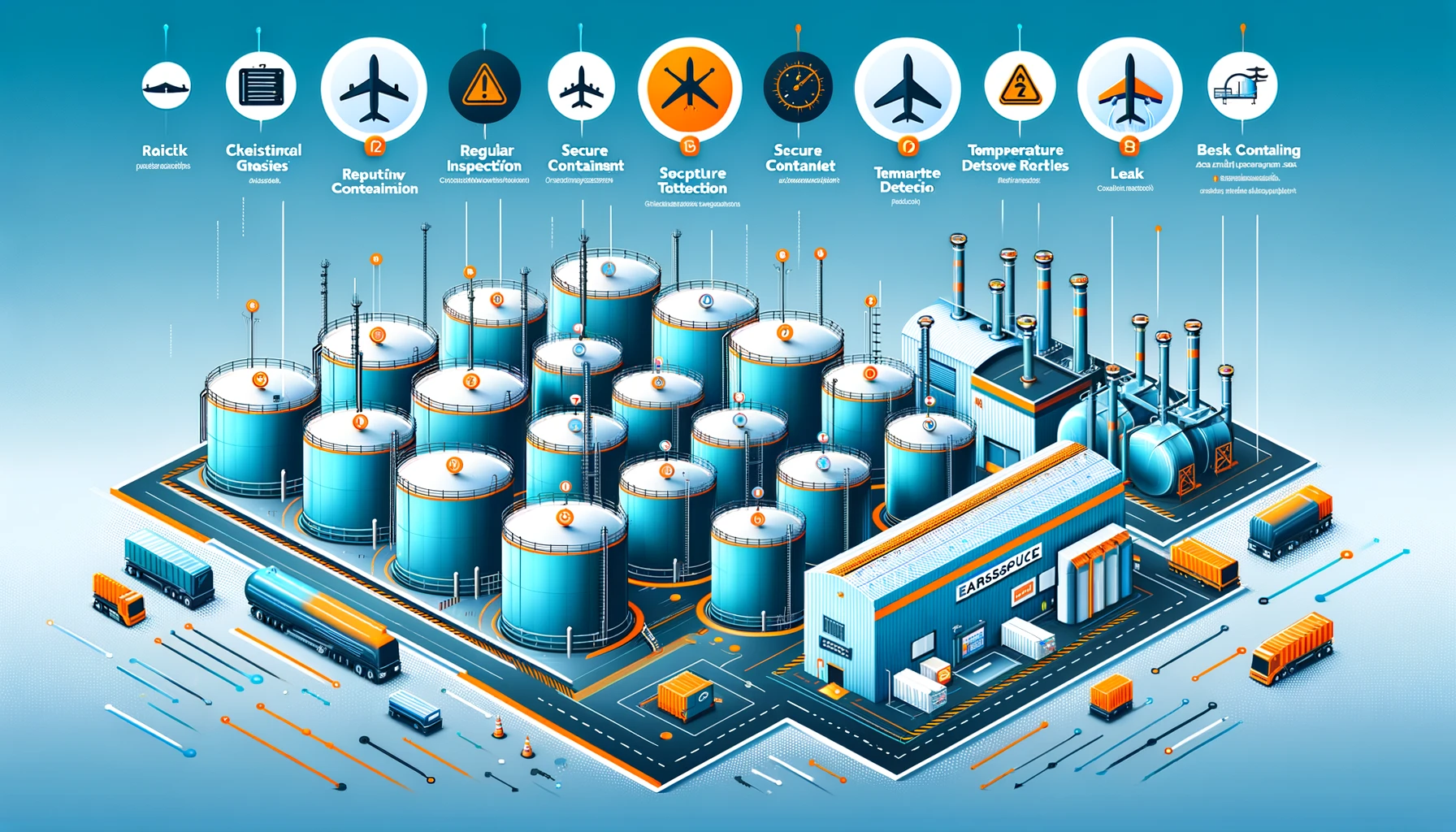
In the highly specialised field of aerospace, managing chemical tanks is a critical operation that demands meticulous attention to safety, efficiency, and regulatory compliance. Aerospace chemical tanks store a variety of substances, including fuels, hydraulic fluids, and cleaning agents, each with its unique handling requirements. This blog post outlines the best practices for aerospace chemical tank management, ensuring operations are safe, compliant, and optimised for performance. Along the way, we’ll include illustrative images to enhance understanding and engagement.
Understanding the Importance of Proper Aerospace Chemical Tank Management
The Aerospace industry operates under stringent regulations to ensure the safety and reliability of its operations. Proper chemical tank management is crucial not just for compliance, but also for maintaining the highest levels of safety and operational efficiency. Mishandling of aerospace chemicals can lead to severe safety risks, environmental damage, and significant financial losses.
Key Best Practices for Aerospace Chemical Tank Management
The first step in ensuring effective chemical tank management is to select materials and designs that are compatible with the specific chemicals being stored. Tanks and their components should be made from materials that resist corrosion, withstand operational temperatures, and maintain structural integrity under various conditions.
Routine inspections and maintenance are vital to detect and address any signs of wear and tear, corrosion, or leaks early. Implementing a regular schedule for checking tanks and their ancillary equipment helps prevent accidents and prolongs the lifespan of the tanks.
Safety measures, such as secondary containment systems, spill detection sensors, and fire suppression systems, should be in place to manage risks effectively. Additionally, proper handling and storage practices must be observed to protect the environment from potential chemical spills or leaks.
Adhering to national and international regulations is non-negotiable in aerospace operations. This includes compliance with health and safety standards, environmental protections, and specific aerospace industry guidelines.
Ensuring that all personnel involved in the handling and management of aerospace chemicals are properly trained is essential. Training programmes should cover safety practices, emergency response, and specific procedures for the chemicals in use.
Effective inventory management ensures that chemicals are stored and used in a way that minimises waste and optimises space. This includes tracking chemical expiry dates, maintaining proper storage conditions, and ensuring that chemicals are accessible when needed.
Conclusion
Adopting these best practices for aerospace chemical tank management is indispensable for ensuring the safety, efficiency, and compliance of aerospace operations. By prioritising proper design, regular maintenance, safety protocols, regulatory compliance, personnel training, and efficient inventory management, aerospace organisations can mitigate risks and enhance operational performance.
Managing aerospace chemical tanks effectively is a complex but essential task. By adhering to these best practices, the aerospace industry can ensure that it not only meets the required safety and environmental standards but also maintains the highest levels of operational excellence.